Introduction
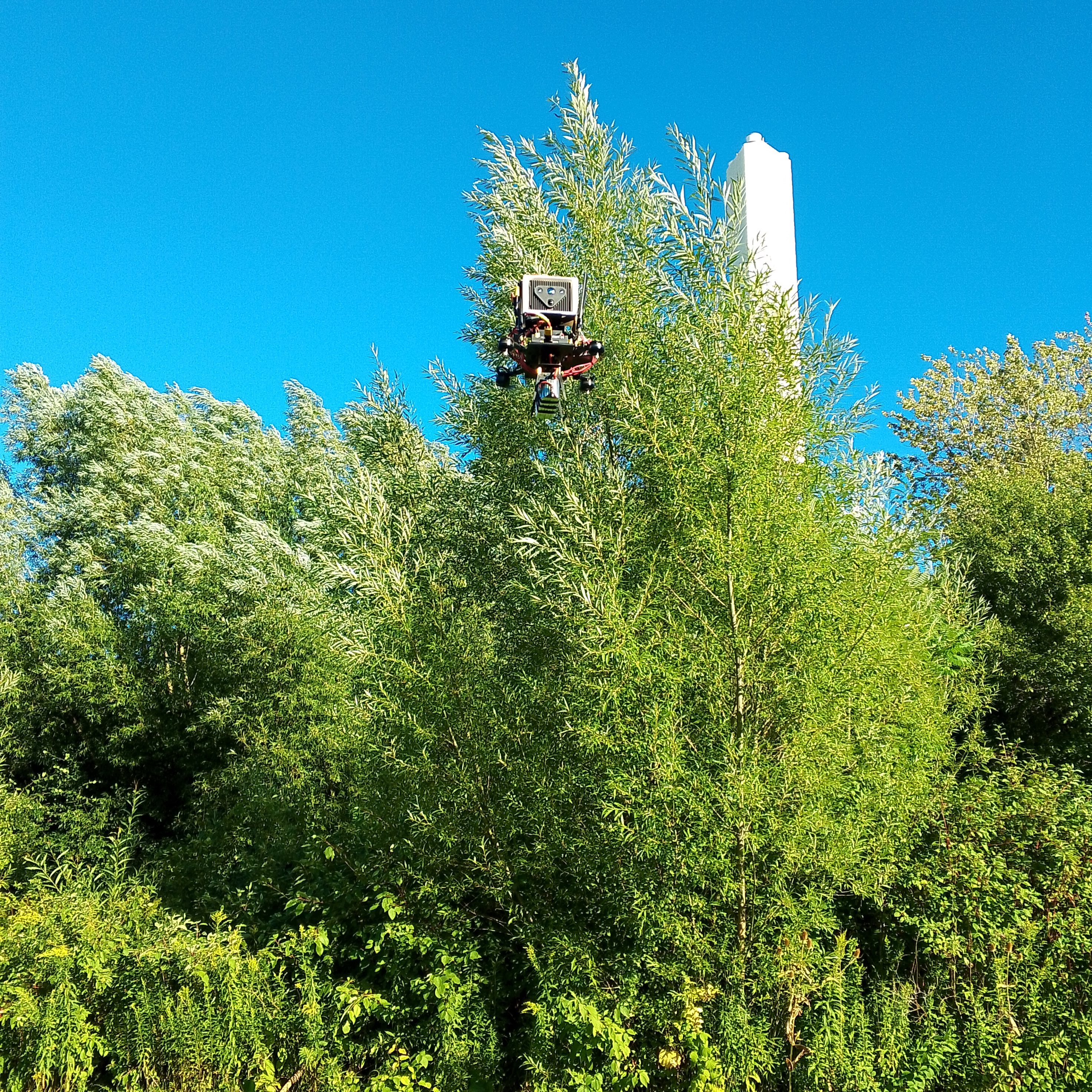
MAVISS (Modular Aerial Vehicle with Intelligent Sensor Systems) is a custom-built, modular, and highly adaptable aerial platform developed by the CVISS Lab for advanced inspection, mapping, and autonomous navigation applications.
Unlike commercial drones which impose strict limitations on payloads, sensor integration, and onboard processing, MAVISS has been designed from the ground up to offer full hardware and software flexibility. This freedom allows our team to integrate cutting-edge sensors, perception systems, and AI-based processing pipelines that are otherwise restricted in proprietary platforms.
Project Purpose
The MAVISS platform was conceived to meet the specific operational needs of Rogers Communication tower inspections — a task that demands:
High-resolution imaging at multiple distances and angles
Precise mapping of tower structures and surrounding terrain
Integration of emerging sensors such as the Robosense AC1 for 360° real-time perception
Autonomous navigation in GPS-challenged environments
Data collection for AI model training in asset inspection and anomaly detection
Why Build Our Own?
Our lab already operates multiple high-end drones; however, each comes with limitations:
To overcome these constraints, MAVISS provides:
Full ROS 2 integration for rapid development of perception and autonomy stacks
PX4-based flight control with full firmware customization
Jetson Orin NX companion computing for onboard AI inference
Modular mounting options for LiDAR, visual cameras, and other sensors
Key Features
Modular payload bays for fast swapping of sensors and equipment
Real-time perception and SLAM mapping capabilities
Fully autonomous navigation stack with obstacle avoidance
Support for cutting-edge sensors such as Robosense AC1 and Livox Mid-360
Flexible communication for live data streaming to the ground station
Vision
MAVISS aims to become a benchmark open-source aerial robotics platform for industrial inspection and research. By sharing our development process, hardware integration steps, and open-source software stack, we aim to empower researchers, hobbyists, and industry professionals to create drones tailored to their own unique missions.